Medical Tech Outlook Weekly Brief
Be first to read the latest tech news, Industry Leader's Insights, and CIO interviews of medium and large enterprises exclusively from Medical Tech Outlook

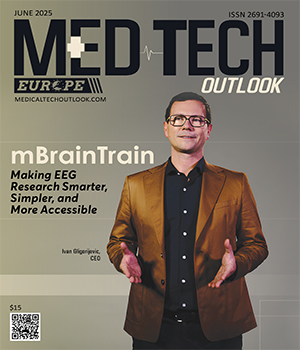
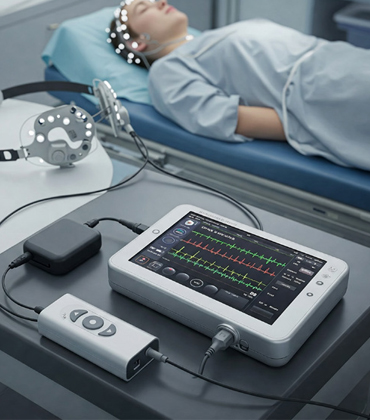
When mBrainTrain was founded, it wasn’t by chance—it was born out of necessity. The company specializes in portable EEG systems, transforming the way researchers collect and analyze brain activity data. Its founders, researchers themselves, were frustrated by the lack of truly portable, user-friendly EEG technology. Instead of waiting for someone else to develop what they needed, they took matters into their own hands. That decision led to the creation of a company that is now redefining how EEG research is conducted worldwide. From the very beginning, mBrainTrain has been driven by a simple yet powerful idea: EEG technology should be accessible, intuitive, and effective. The company understands that neuroscience is shaping the future—from brain-computer interfaces to mental state monitoring—and is determined to provide the tools that make those breakthroughs possible. Breaking Down Barriers in EEG Research For years, EEG systems have been complicated, time consuming, and difficult to use. Researchers had to undergo extensive training, sift through thick manuals, and spend hours setting up bulky, wired systems before they could even begin their actual work. “We recognized that these obstacles were holding back innovation,” says Ivan Gligorijevic, CEO of mBrainTrain. “We offer a portable EEG system that works as effortlessly as turning on a light switch.” With an emphasis on user experience, mBrainTrain’s technology eliminates unnecessary complexity. Researchers can now set up and record data in minutes, not hours—without compromising quality. Of course, simplicity doesn’t mean sacrificing performance. mBrainTrain’s portable EEG systems are designed to provide top-tier signal quality, minimal latency, and seamless time synchronization— without the need for cumbersome cables or complex configurations. While some competitors treat high performance as an added bonus, for mBrainTrain, it’s the foundation of their entire approach. The company’s philosophy is similar to that of a luxury car brand: a company like Ferrari doesn’t need to advertise its speed—it’s a given. Likewise, mBrainTrain doesn’t have to convince users of its signal quality; it’s something they naturally deliver. That’s because they build their technology with precision from the ground up, ensuring that key factors—such as latency and synchronization—are addressed at the earliest stages of development. This proactive approach has allowed them to create portable EEG systems that match or even exceed the performance of traditional wired setups.
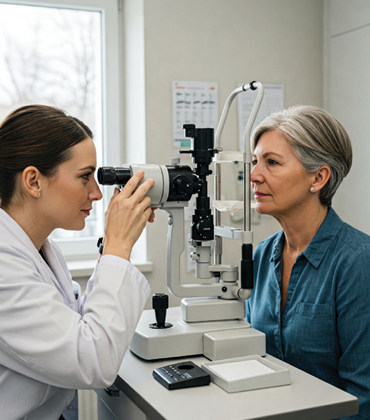
Advancements in ophthalmic diagnostics technologies are opening new possibilities for smarter workflows and consistent, high-quality imaging. Topcon Healthcare is spearheading this movement with the highest quality solutions designed with Japanese innovation. A global provider of optical coherence tomography (OCT) and fundus imaging technology, the company is leading the industry with its flagship devices, including the Maestro2, DRI OCT Triton and NW500. Its products empower clinicians to detect, assess and manage eye diseases with high-quality data, quickly. By integrating automated intelligence with clinical reliability, Topcon Healthcare enhances the efficacy and accessibility of eye care. Each system reflects its commitment to simplifying the demands of modern eye care, from automated multimodal imaging and data consolidation to workflow integration and clinical decision-making. For instance, many clinics face mounting pressure to deliver consistent, high-quality diagnostic results while handling patient load, fragmented systems and rising administrative demands. At the same time, there is an increasing need to ensure data security, meet interoperability standards and uphold clinical accuracy without sacrificing time. Topcon Healthcare addresses these challenges by developing systems and software that function as part of an interconnected, intelligent workflow rather than isolated devices that require constant workarounds. This approach is reflected in Maestro2, a multimodal imaging system that captures fundus photography simultaneously with OCT or OCT angiography within a single, automated scan. It streamlines image acquisition and removes the need for multiple instruments or manual inputs. With this system, eye care professionals can access a detailed assessment of ocular health in less time, and staff can confidently delegate imaging responsibilities, given the system’s built-in repeatability and precision.
Cardiovascular Devices

Joan Vinyets Rejón, PhD., Head of Patient Experience, The Hospital Sant de Déu
Cardiovascular Devices

Greg Mtunz, General Manager Diagnostic Services, Buckinghamshire Healthcare NHS Trust
Cardiovascular Devices

Emma Spellman, Chief Operating Officer, the London Clinic
Physiotherapy and Pain Management

Dr Callum Gardner FRCP, Chief Medical Officer/Medical Director, North West Anglia NHS Foundation Trust
Cardio Vascular Devices

Gisella Murguia Norlander, General Dentist, Folktandvården Stockholm AB
Physiotherapy and Pain Management

Francesco Manfredonia, Clinical Director Neurology and Neurophysiology, The Royal Wolverhampton NHS Trust
Physiotherapy and Pain Management
Carolyn Smith, Manager of Diagnostic Imaging, Virginia Mason Franciscan Health

Cardiovascular Devices
Kolitha Basnayake, Deputy Medical Director, University Hospitals Birmingham NHS Foundation Trust

Cardiovascular Devices
Sophia Neisinger, Dermatology/Allergology, Charite
Portable EEG systems represent a convergence of medical need, technological innovation, and shifting healthcare paradigms.
Smarter Diagnostics for a Healthier Future
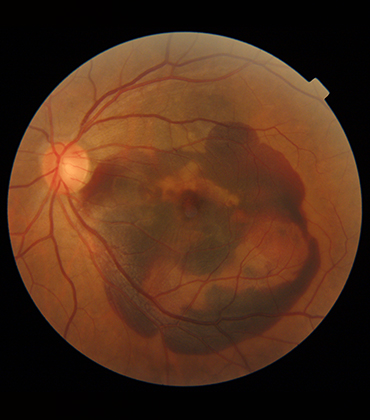
Ophthalmic diagnostic providers lead the way by offering advanced imaging, AI-driven tools and mobile screening systems. These technologies support early detection of conditions like glaucoma and diabetic retinopathy, supporting timely intervention and broader access to care. In line with the digital health shift, the providers are also leveraging telehealth, cloud platforms and analytics to support clinicians and streamline workflows.
In neurodiagnostics, portable EEG systems are expanding the reach of brain monitoring beyond traditional clinical settings. They are delivering wearable EEG technologies that provide high-resolution, real-time brain data for use in neurology, mental health and cognitive research. The rise of remote care, decentralised trials and home-based assessments is driving the demand for compact, user-friendly and digitally connected platforms suitable for both clinical and everyday use.
In this edition of MedTech Outlook Europe, we feature the Top Eye Care Diagnostic Solutions Provider in Europe 2025, setting new benchmarks in precision, accessibility and integration. We also highlight the Portable EEG System Company of the Year in Europe 2025, recognised for innovation in mobile brain health monitoring.
This edition also features insights from industry leaders shaping the future of diagnostics and patient-centred care. Greg Mtunz, General Manager of Diagnostic Services at Buckinghamshire Healthcare NHS Trust, discusses how strategic investment in imaging and early diagnosis is improving outcomes and driving healthcare efficiency. Kolitha Basnayake, Deputy Medical Director at University Hospitals Birmingham NHS Foundation Trust, highlights the cultural shift brought by the Patient Safety Incident Response Framework (PSIRF), focusing on transparency, compassionate engagement and system-wide learning to improve patient safety.
As the diagnostic technology industry evolves, portable diagnostics, AI-enhanced tools and strategic consulting are shaping the future of patient-centered care. We hope this edition sparks fresh perspectives—share your thoughts and join the conversation.